
You probably think of a crypto exchange as a digital stock market for coins like Bitcoin. Most people use these websites to buy their first bit of digital money using a bank card or a phone app. It feels like a normal shopping site, but there is a lot happening behind the screen to keep your money moving.
A crypto exchange is a middleman that connects people who want to buy coins with people who want to sell them. They take your cash, find someone selling the coin you want, and swap the two for a small fee. It is a fast way to get into the market without needing to find a seller on your own.
What does a crypto exchange actually do?
Think of an exchange like a big, busy airport for money. Some people arrive with US Dollars and want to leave with Bitcoin. Others arrive with digital coins and want to leave with cash. The exchange makes sure everyone gets where they need to go without getting lost.
The exchange keeps a giant list of every person who wants to trade. This list is called an order book. If you want to buy one Bitcoin for sixty thousand dollars, the exchange looks at the book. It finds a person willing to sell for that price and matches you up instantly.
You never actually talk to the other person. The website handles the trade so you do not have to trust a stranger. This is great for safety. Imagine trying to buy a coin from a guy on a forum. You might send your money and get nothing back. An exchange stops that from happening by holding the money in the middle.
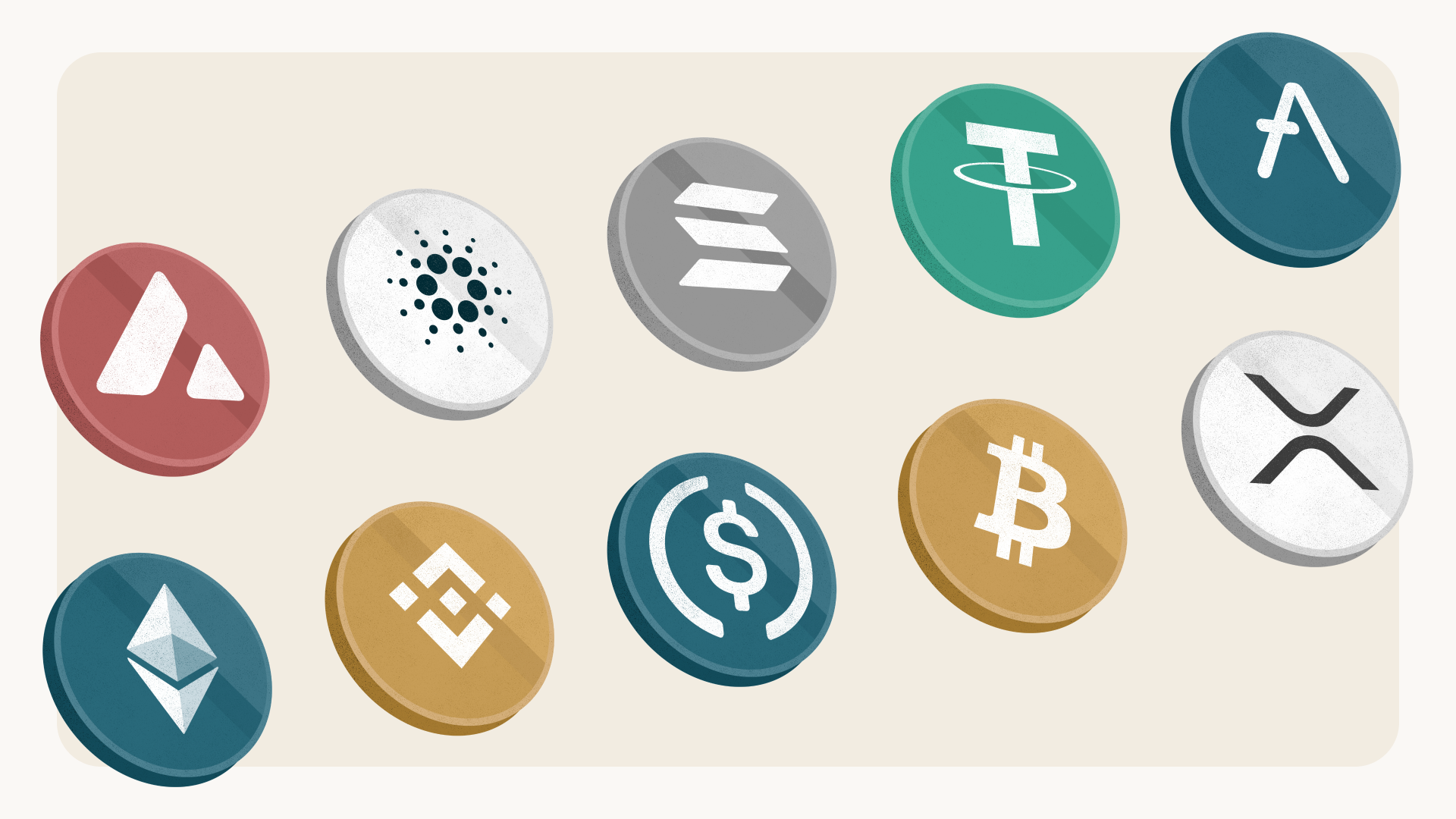
They also show you the price of every coin in real time. These prices change every second based on how many people are buying or selling. If a lot of people want to buy, the price goes up. If everyone is selling, the price drops. You can see this happen on the colorful charts they show on their main page.
How do you start using an exchange?
Getting started usually takes about ten minutes if you have your ID ready. You sign up with an email and a strong password. Most big sites will then ask you to prove who you are. This is a rule called KYC, which stands for Know Your Customer. It helps stop bad people from moving stolen money around.
You will likely need to take a photo of your driver's license or passport. Some apps even ask you to take a selfie to make sure it is really you. Once they check your ID, you can link your bank account or use a credit card. It feels just like setting up an account for online shopping or a food delivery app.
Before you jump in, you should learn the crypto words every beginner should know to stay safe so you don't get confused by the buttons. Knowing the difference between a market order and a limit order can save you a few dollars on every trade. A market order happens right now at the current price. A limit order lets you pick a lower price and wait for it to hit.
Most beginners start with a small amount of money. You might put in fifty dollars just to see how it works. You can buy a tiny fraction of a Bitcoin. You do not need to buy a whole one, which is a common mistake people make. You can own 0.001 of a coin if that is all you want to spend today.
The different types of exchanges you might find
There are two main types of exchanges you will see. The first is a Centralized Exchange, or CEX. These are companies like Coinbase or Binance. They are run by a business with an office and a boss. They are easy to use and have help desks if you lose your password.
The second type is a Decentralized Exchange, or DEX. These do not have a boss or a company behind them. They run on computer code. You do not need to give them your ID. However, they are much harder to use for beginners. If you send money to the wrong place on a DEX, no one can help you get it back.
Most people stay on a CEX for a long time. It feels safer because there is a "Forgot Password" button. On a DEX, there is no such thing. If you lose your keys, your money is gone forever. This is why learning about how crypto exchanges work is so important before you move large amounts of money.
I remember a friend who tried to use a DEX on his first day. He got confused by the gas fees and lost twenty dollars just trying to move his money around. It is better to start on the easy sites first. You can always try the harder stuff later when you feel like an expert.
Are crypto exchanges safe for your money?
Safety is the biggest worry for most new people. While big exchanges spend millions on security, they are not banks. If a bank gets robbed, the government often protects your money. If an exchange gets hacked or goes out of business, you might lose everything you have on there.
This is why people say "not your keys, not your coins." When your money is on an exchange, the exchange owns the digital keys to that money. You are just asking them to hold it for you. It is like keeping your cash in a friend's wallet. You hope they give it back when you ask, but they are the ones holding the leather.
To stay safe, you should always turn on two-factor authentication. This means the site asks for a code from your phone every time you log in. It stops a hacker from getting into your account even if they guess your password. Never skip this step. It is the best way to protect your digital cash from thieves.
You can read more about the history of Cryptocurrency to see how far security has come. In the early days, exchanges were hacked much more often. Today, the big ones are very careful. They keep most of the coins in "cold storage," which means the coins are not even connected to the internet. This makes them much harder to steal.
How exchanges make money from your trades
Exchanges are not free to use. They are businesses that want to make a profit. They usually charge a small fee every time you buy or sell. This fee might be 0.5% or 1% of the total amount. It sounds small, but it adds up if you trade a lot every day.
Some sites also charge you when you move your money out to your bank. They might call this a withdrawal fee. Always check the fee page before you sign up. Some apps look free but they hide the cost in the price of the coin. They might sell you a coin for $102 when the real price is $100. That extra $2 is their profit.
They also make money by listing new coins. A new coin project might pay the exchange to be shown on their site. This is like a cereal brand paying a grocery store to be at eye level on the shelf. Just because a coin is on a big exchange does not mean it is a good investment. It just means the exchange decided to host it.
I once bought a coin because it was "trending" on the front page of an app. I did not realize the app was being paid to show it to me. The price crashed two days later. Now, I always do my own research instead of following the trending list. The exchange is there to provide the service, not to give you advice.
What happens after you buy your coins?
Once you click the buy button, the coins show up in your account balance. You can leave them there if you plan to sell them soon. However, many people move their coins to a private wallet for long-term storage. This is like moving your money from a shop counter into your own safe at home.
If you have a lot of money in crypto, leaving it on an exchange is risky. If the company has a bad year or gets in trouble with the law, your account might get frozen. Moving your coins to a wallet you control means you are the only one who can touch them. It gives you total power over your wealth.
You should also think about taxes. In many places, the exchange reports your trades to the government. Every time you sell for a profit, you might owe some tax. Most big exchanges let you download a file at the end of the year that shows all your wins and losses. This makes tax time much easier for you and your accountant.
The Blockchain tech behind these coins makes every trade public, but your name is usually hidden behind a string of numbers. The exchange is the only one who knows which numbers belong to you. This is why they take your ID so seriously. They are the bridge between the private world of crypto and the public world of banks.
Should you use a crypto exchange today?
If you want to own Bitcoin or other coins, an exchange is the easiest path. They are built for people who are just starting out. You get a clean interface, a help button, and a way to use your normal bank card. It takes the mystery out of the process and lets you focus on learning how the market works.
Just remember to be careful. Treat your exchange account like your bank account. Use a unique password and never share your login codes with anyone who calls you on the phone. Scammers often pretend to be exchange workers to steal your coins. A real exchange worker will never ask for your password or your secret codes.
Start small and learn the ropes. You do not need to be a math genius to use these sites. You just need to be patient and keep your eyes open. Once you make your first trade, you will see it is not as scary as it looks from the outside. It is just another way to manage your money in the digital age.
Will you try a small trade this week to see how the order book works? Maybe just ten dollars is enough to help you learn the system without feeling stressed about the risk.
Comments
Post a Comment